
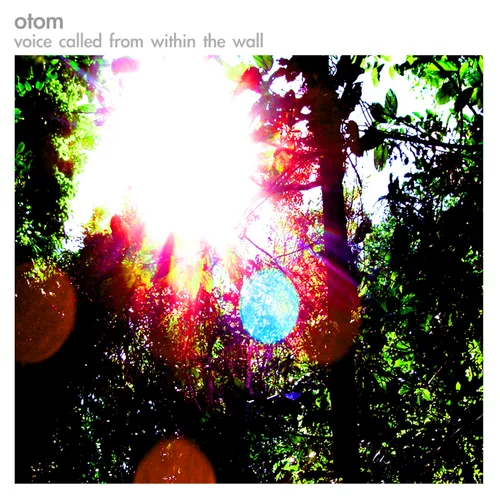
Voice Called from Within the Wall
- You (3:49)
- Night Flight (4:16)
- Faults (4:53)
- Birth (5:57)
- Touch (5:07)
- Favorite Hurt (5:32)
- Dice (5:47)
- Sunshot (6:46)
- Nude Alphabet (6:41)
- Voice Called from Within the Wall (4:08)
Now on Streaming
Lyrics
You
— Japanese reworked version, to be written later
Night Flight
Instrumental
Faults
— Japanese reworked version, to be written later
Birth
Instrumental
Touch
気付いてしまって触れる
霞を抱き寄せる様に

見つけてしまって触れる
ほつれを引き剥がす様に

期待をしたい あなた方に
期待をしたい あなた方に
古びた普通の事

期待をしたい あなた方に
期待をしたい あなた方に
愛を見たい あの日のように
古びた普通の事

— Japanese reworked version, written later
Favorite Hurt
— Japanese reworked version, to be written later
Dice
とりあえず毎日をそれなりに過ごしている
行きたありばったりで気がつけば藪の中

未だに飽きもせず同じことを続ける
行き止まりばっかりで気がつけば藪の中

大好きなんてあまり関係ないそうだ
今日みたいな日にはそれも関係ないようだ

余計なものばかり集めては捨てている
有り余り過ぎていて気がつけば藪の中

大好きなんてあまり関係ないそうだ
今日みたいな日にはそれも関係ないようだ

始まりとおしまいの温度差をあっさり
忘れてしまうならいつまでも藪の中
いつまでも藪の中
いつまでも藪の中

大好きなんてあまり関係ないそうだ
今日みたいな日にはそれも関係ないようだ
関係ないようだ
関係ないようだ

— Japanese reworked version for "Without You", written later
Sunshot
Instrumental
Nude Alphabet
— Japanese reworked version, to be written later
Voice Called from Within the Wall
— Japanese reworked version, to be written later
Intro
“Voice Called from Within the Wall” is otom’s second album, released on August 15, 2004. Built around acoustic sounds, the album focuses on texture and space within each song. With a limited number of sounds, it mixes in experimental sound processing and glitch noise, allowing the mood to shift gently over time. Through a sound approach that values simplicity, the album clearly shows otom’s introspective side. The shape of each song and the sense of atmosphere come to the front. The track “Dice”, placed at the heart of the album, stands out with its acoustic tone and delicate vocal harmonies, and strongly represents the direction of the work. The album was created following the EP “Highlife”, released in May 2004. It reflects a return to the basics while quietly living alongside new ideas and sound experiments.
Note
The ten tracks on “Voice Called from Within the Wall” range quietly from folky singer-songwriter songs to instrumentals, pop tracks, drones, and pieces that take in a club-like feel. Each track has its own character, but they are loosely connected through shared approaches such as simple arrangements, sustained tones, and repeating phrases, forming a single flow of time across the album. Reflecting the strong presence of early otom’s style while hinting at later developments, this album captures a point where an introspective view and an experimental sense naturally cross.
1. You
“You” opens the album with a slow-tempo song built around slide guitar and acoustic guitar. Based on a folk-like feel, the sound leaves plenty of space and silence, slowly unfolding with a quiet pace close to slowcore. The sweet tone of the slide guitar blends with the steady acoustic strumming, creating a gentle sense of tension throughout the song. Its simple structure gives the music a relaxed sense of time, where echoes and sustain stand out. With an introspective and calm mood reminiscent of Mazzy Star or Mojave 3, the track sets the tone for the album and serves as its opening doorway.
2. Night Flight
“Night Flight” is an instrumental track that quietly carries on the album’s flow. Bright, layered acoustic guitar phrases run from start to finish, forming the core of the song. Soft electric guitar loops, bass, and a gentle kick rhythm are added, creating a slow but steady sense of movement. In the foreground, a main electric guitar phrase soaked in deep reverb stands out, while sustained E-Bow guitar tones quietly stack in the background and gradually fill the space toward the end. Years later, a reworked version of this track was included in the film “Film Fetish” (2013), directed by Akihiro Arashima, as part of the original soundtrack fully composed by otom.
3. Faults
“Faults” is a pop song that opens with acoustic guitar strokes using reverse sounds and a simple rhythm. A calm and flat performance forms the base, while a melodic and moving bass line strongly shapes the feel of the song. A low-gain lead guitar quietly adds color and helps keep the balance of the arrangement. The vocals describe the small mistakes of two young people, with gentle chorus lines adding a warm and intimate mood. The song was also inspired by a wish to write something simple but strong, in the spirit of bands like Galaxie 500 from a few years earlier.
4. Birth
“Birth” is an instrumental track that begins with an organ-like guitar phrase covered in deep reverb. As the song unfolds, acoustic guitar strokes are added, and the sound slowly shifts toward a more ambient tone. With more layers of guitar, the sound space fills with sustained tones. After a brief moment of arpeggios, the music gradually grows more intense. Near the end, the track returns to the opening phrase, leaving a strong sense of repetition and flow. Using only a few guitar tracks and heavy reverb, the song aims to shape a rising drone-like sound.
5. Touch
“Touch” is a track that focuses on a rich guitar sound. Built on simple chord progressions, it features a small-ensemble arrangement with layered guitars, drums that are both light and strong, and driving bass. The vocals and harmonies reflect the nuances of human interaction, adding warmth to the music. The reverse guitar solo is a key feature, combining simplicity, acoustic tones, and otom’s experimental touch.
Later, in 2023, a new version was released as a single with all parts re-recorded and re-arranged, featuring Japanese lyrics.
6. Favorite Hurt
“Favorite Hurt” begins with a moody, post-punk atmosphere. A tight clean-tone guitar with tremolo runs through the track, defining its overall character. Bass and drums are kept minimal, and guitar chords slowly shift into long tones in the background, creating a quiet tension between foreground and depth. The song was imagined as something that could fit in the works of This Total Coil or David Lynch’s “Twin Peaks” (1990).
7. Dice
“Dice” is the main track of the album, built around three types of guitar along with vocals and harmonies. The flowing acoustic guitar arpeggios and phrases are strongly influenced by Paul McCartney’s guitar style, familiar from songs like “Blackbird,” and also by Simon & Garfunkel. Electric guitar phrases appear between vocal lines, reflecting the influence of Chicago musician David Grubbs, often listened to at the time. Besides the usual single-coil guitars, a Les Paul with humbuckers adds a thicker tone, while playful guitar lines appear throughout. On key sections, a nylon-string classical guitar is used, with soft vocals and gentle harmonies layered on top, creating a warm, enveloping sound. A later version of the song, with Japanese lyrics and many parts rebuilt, was included in the EP “Cycle” (2021).
8. Sunshot
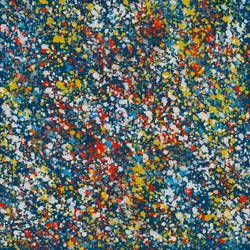
“Sunshot” is an instrumental that opens with a bell-like guitar loop. Gradually, noise and electric piano loops are added, each moving at a slightly different rhythm, overlapping and separating to create an organic, flowing texture like sunlight filtering through leaves. Long tones from bass and E-bow guitar drift in and out, adding depth to the layered sound. Toward the end, new bass and guitar lines hint at a subtle shift in mood before the track quietly fades out. This track also captures the visual impression of the album cover.
9. Nude Alphabet
“Nude Alphabet” combines layered and repeating guitar parts with a sense of club music. It begins with a soft, warm electric guitar arpeggio, gradually joined by other guitar phrases, reversed sounds, and loops, turning fragmented tones into a circulating rhythm. A minimal house-style drum beat and drone-like guitar strokes later enter,making the track move forward and grow. Vocals and harmonies, buried in deep delay and reverb, float above the beat as part of the texture. After a bass arpeggio break, the drums and drone return, creating a balance of space and physical rhythm. The track closes with a tight, clean guitar melody with tremolo, leaving a strong sense of the guitar’s presence. It also carries traces of a song called “Alphabet,” made before the project was renamed otom.
10. Voice Called from Within the Wall
“Voice Called from Within the Wall” is the album’s closing track. It features a sweet, clean guitar played on a toned-down Les Paul, with a quietly repeating vocal melody and very subtle harmonies. The melody develops from a single “A section” phrase, highlighting the song’s form with minimal elements. Centered on acoustic sounds and a simple production approach, the track clearly shows otom’s introspective side.
Outro
“Voice Called from Within the Wall” is an album that favors removing sounds over adding them, inviting the listener to focus on its echoes and subtle shifts. Its minimal arrangements and gentle changes guide you into a calm, focused listening state. This work captures otom’s early approach in its clearest form. Enjoy.
“Voice Called from Within the Wall” is available on Bandcamp, with high-quality versions available for purchase.